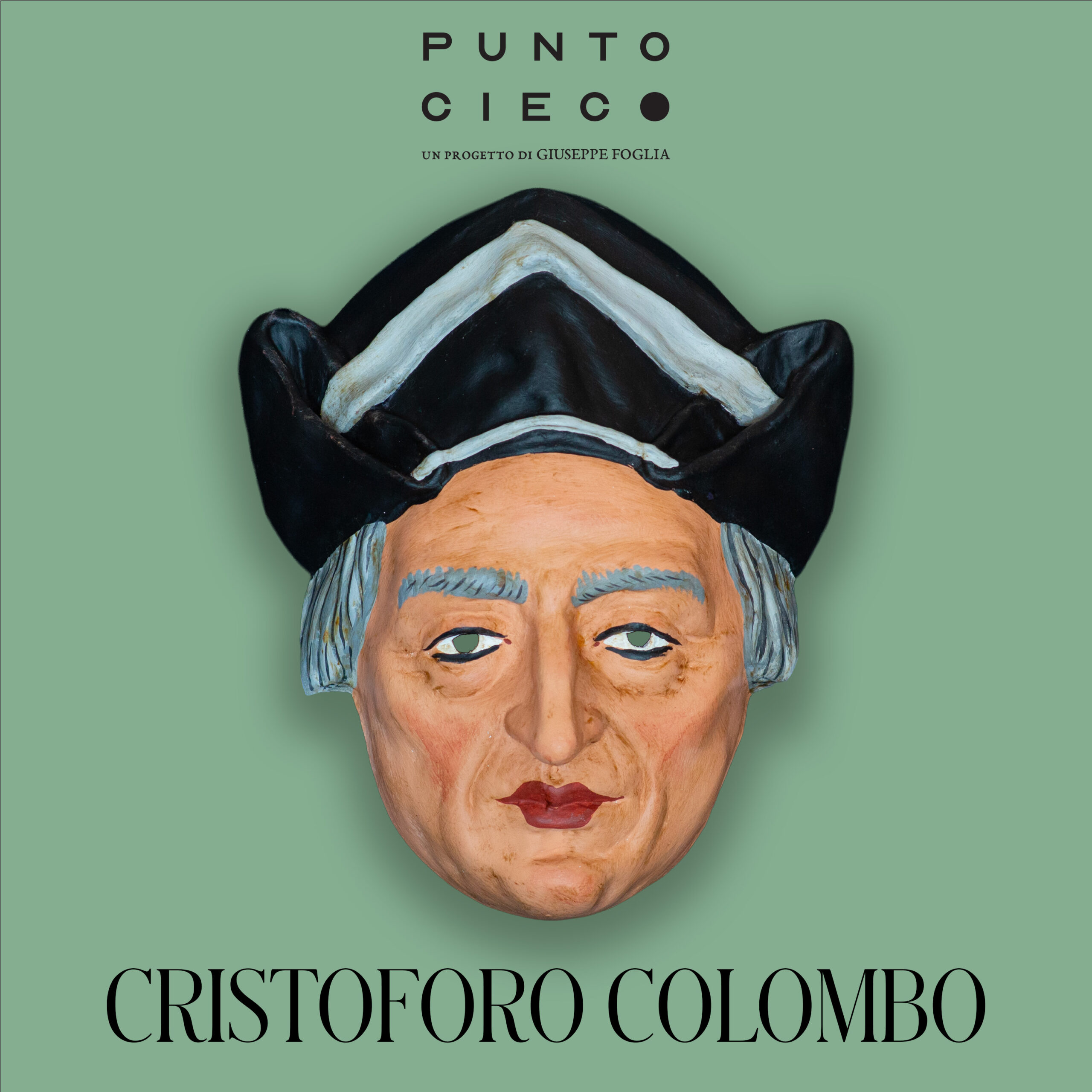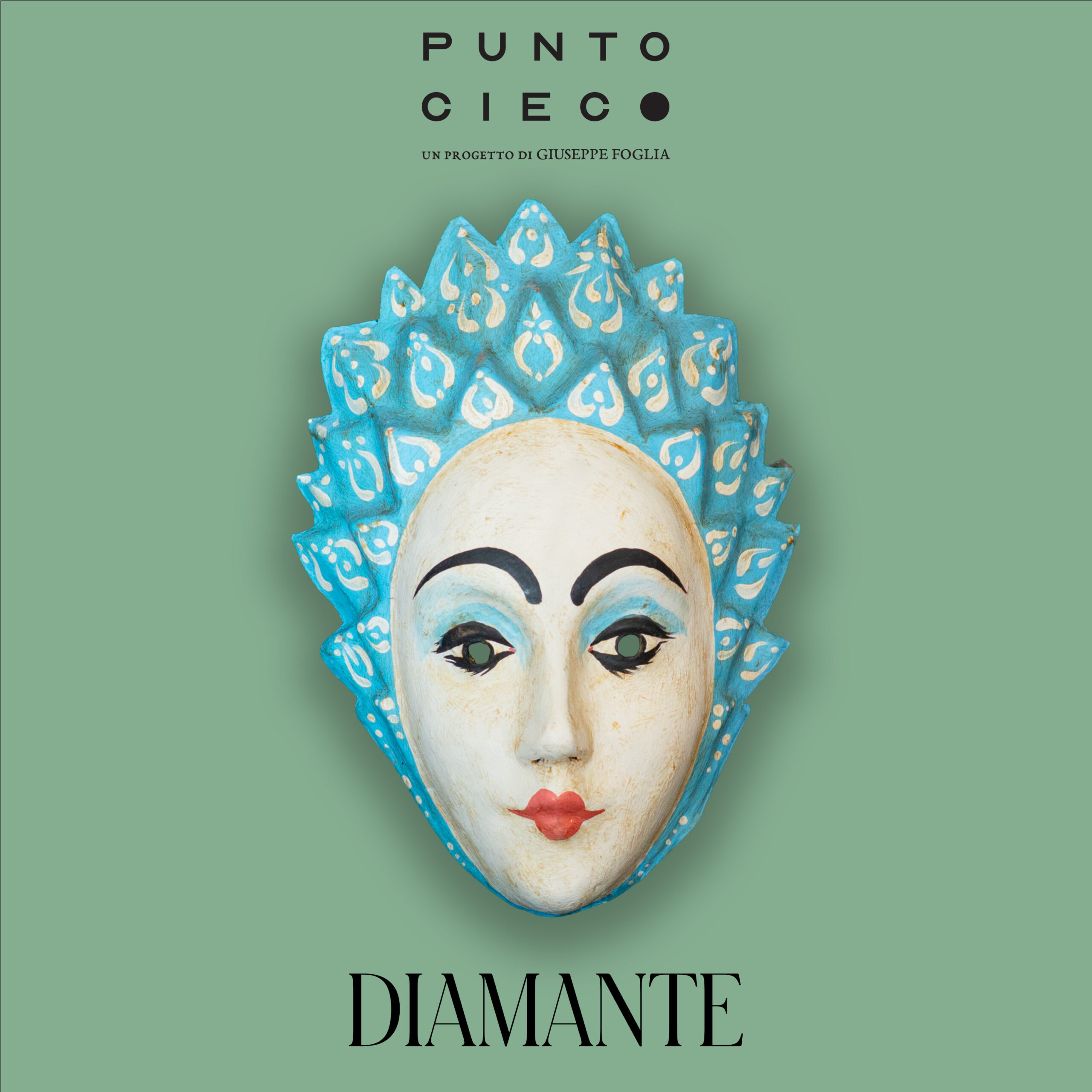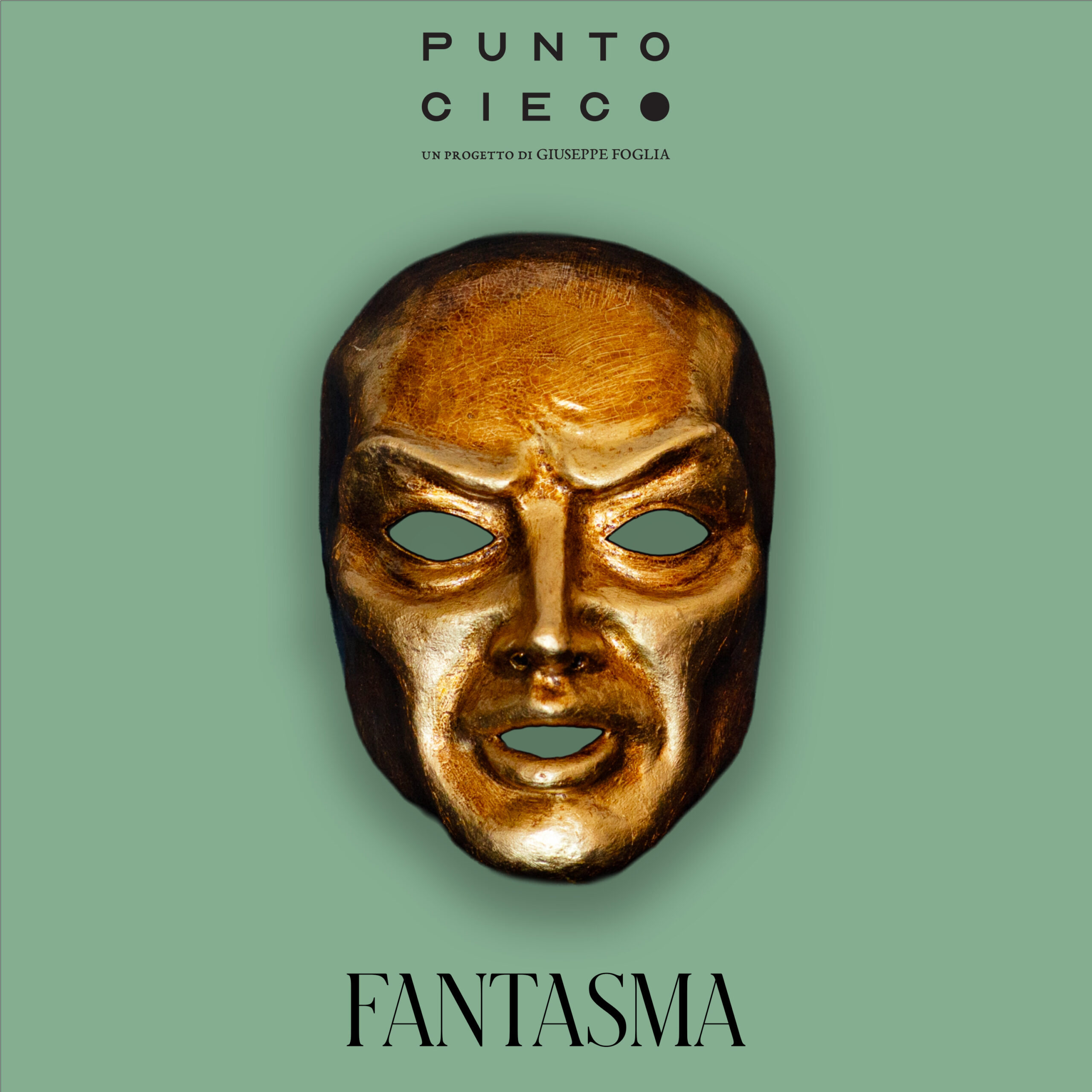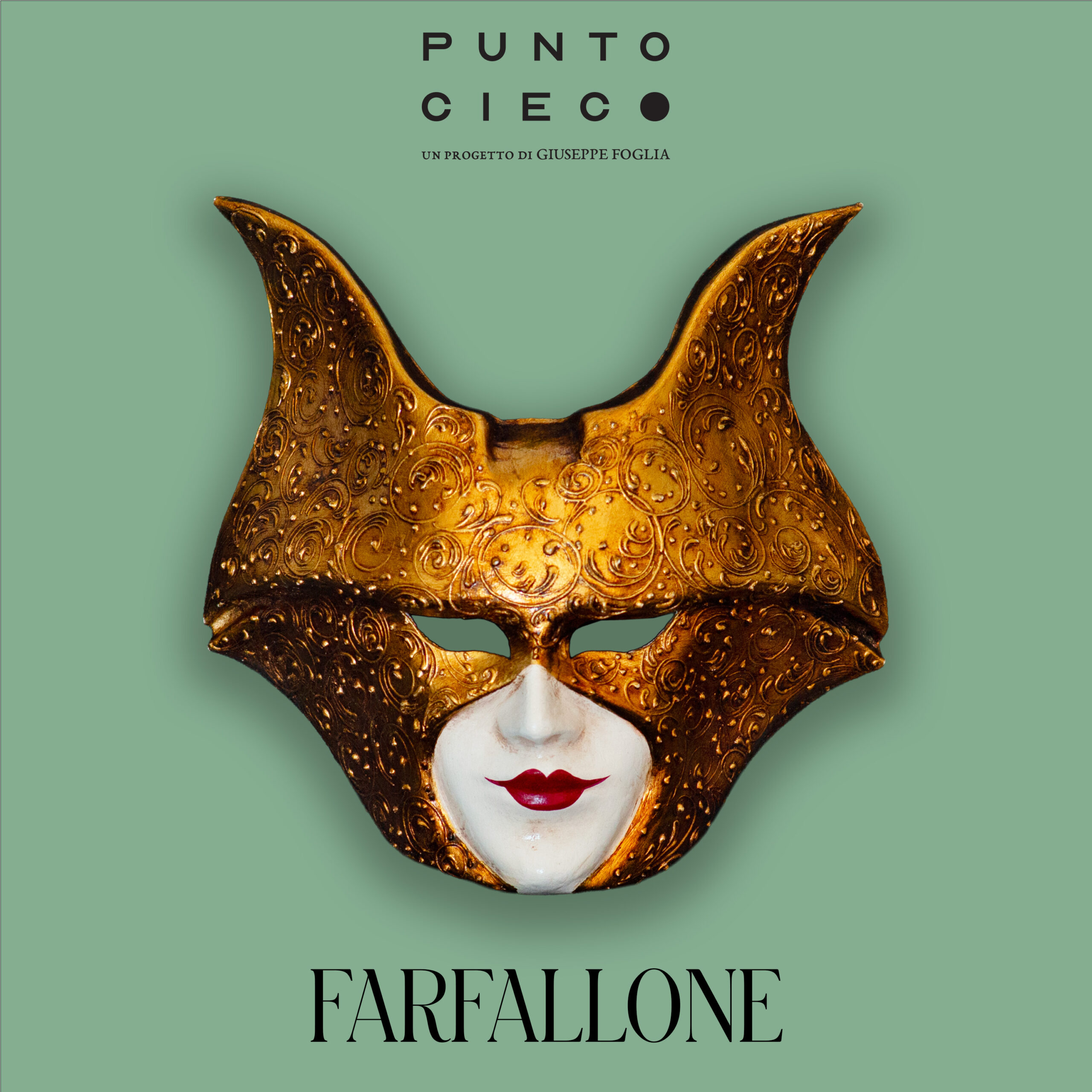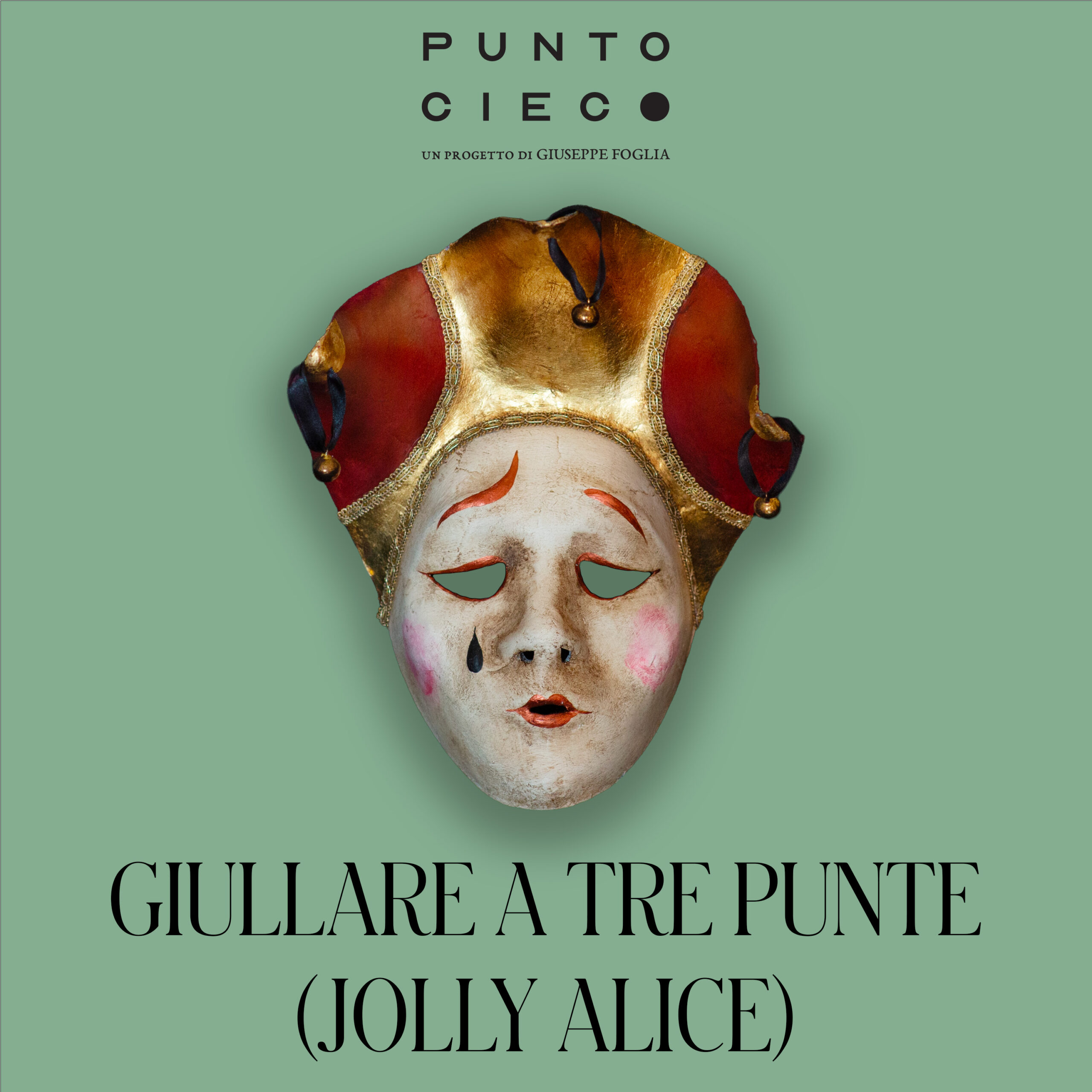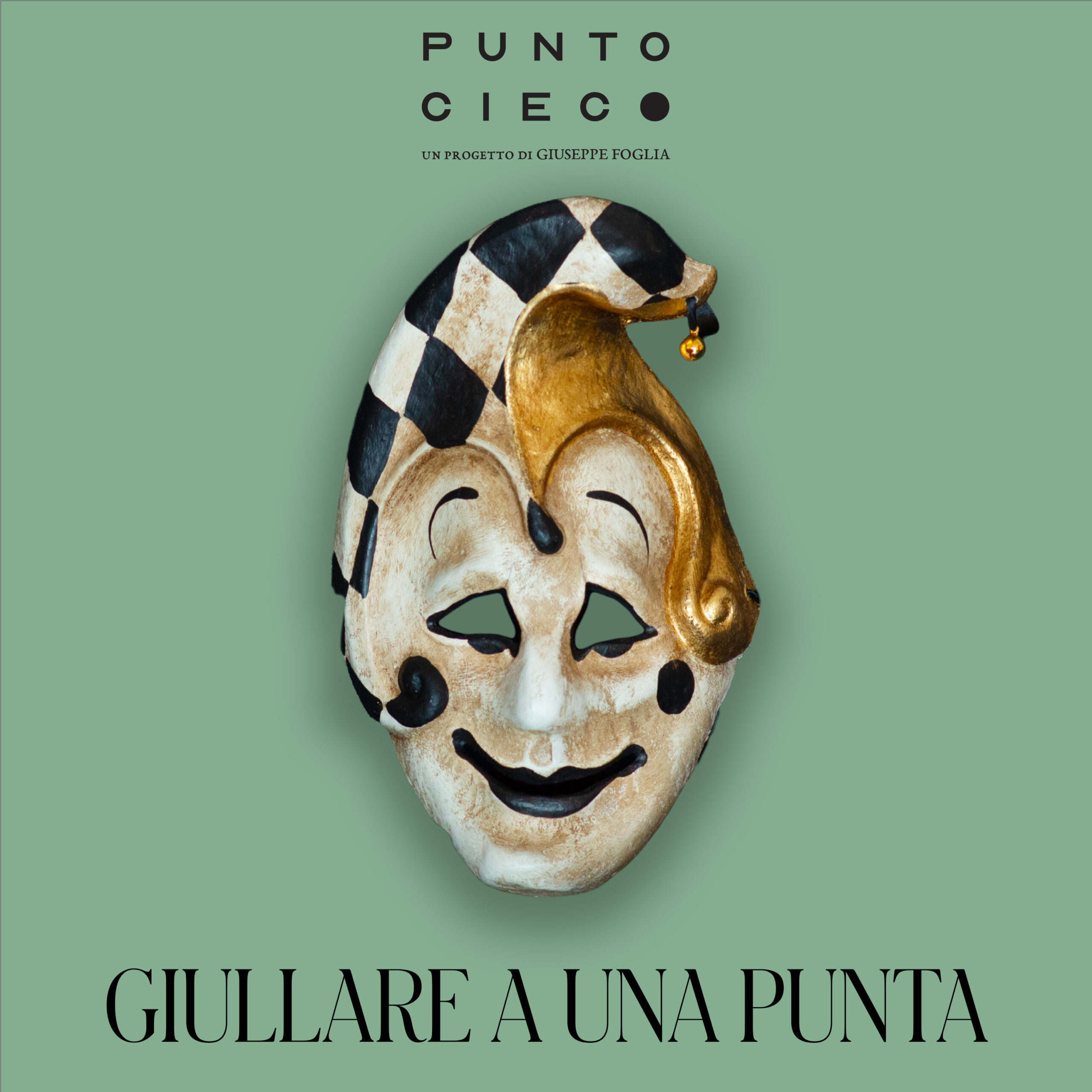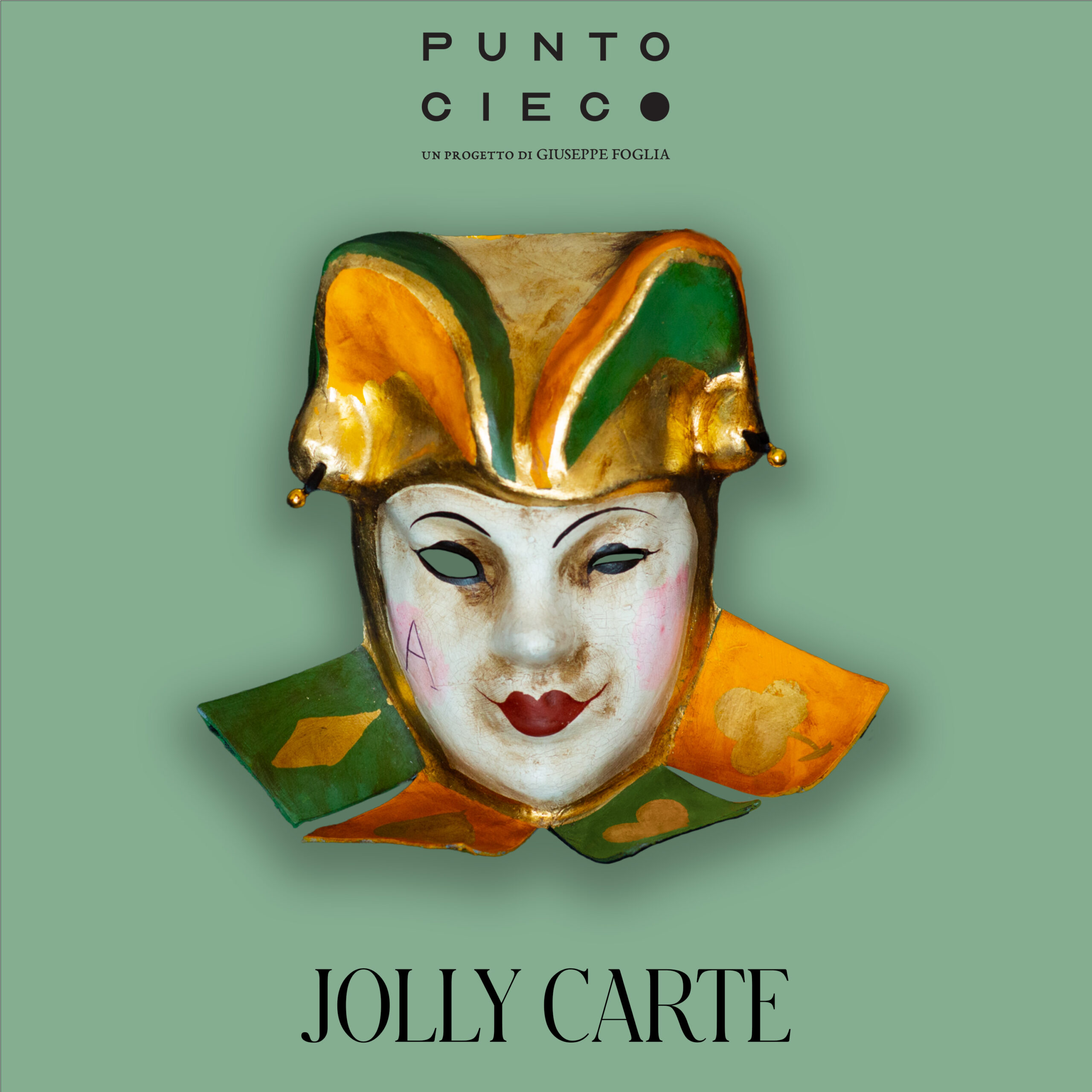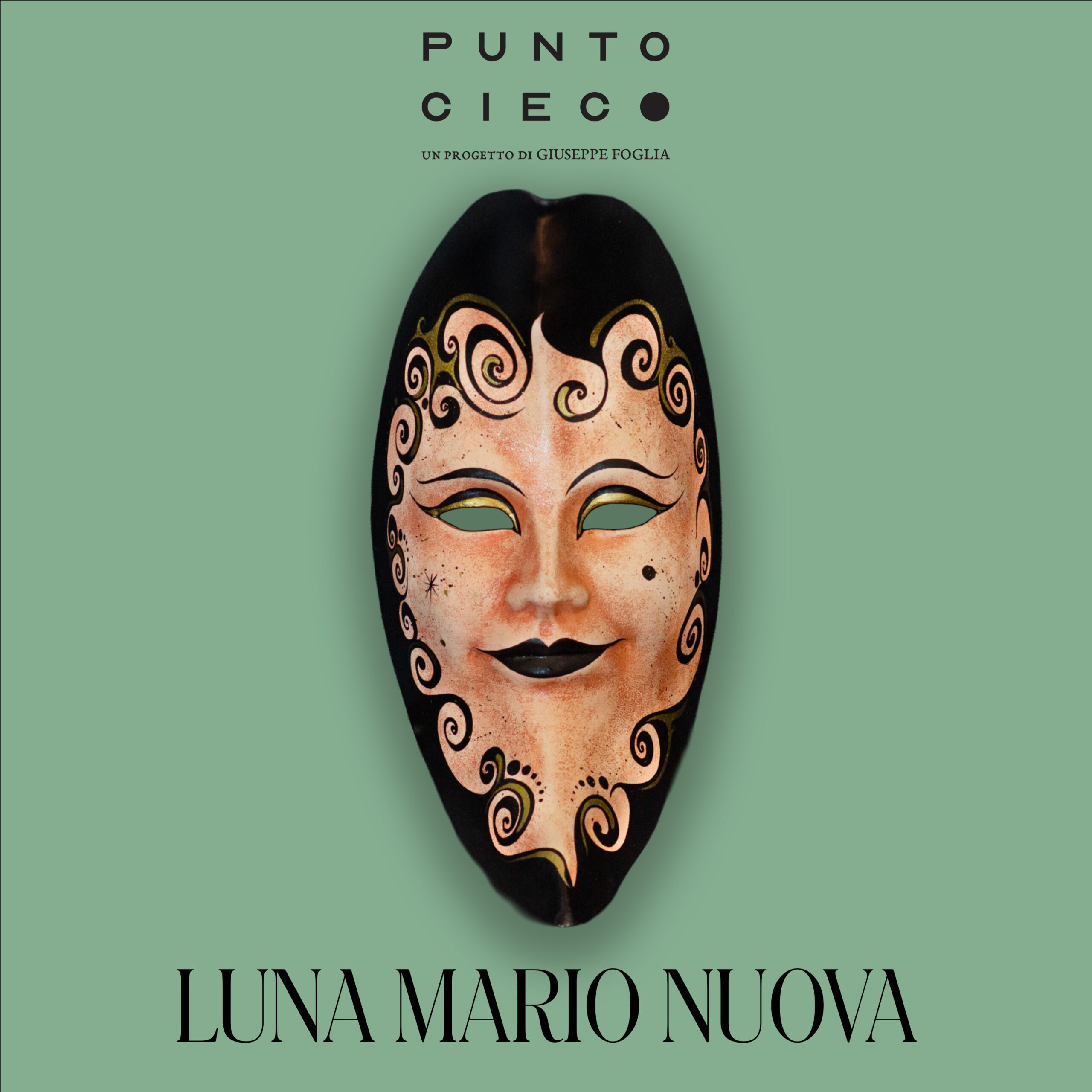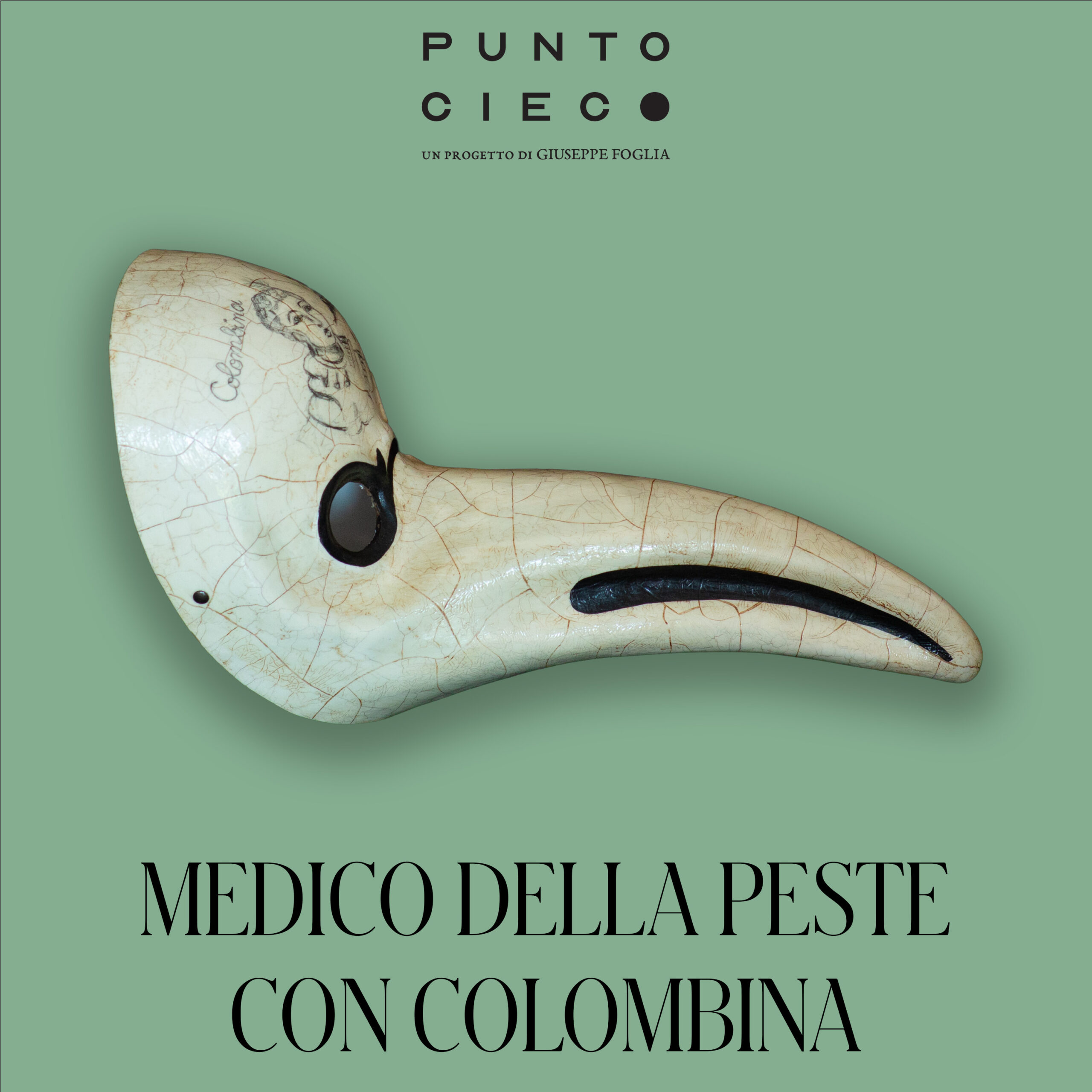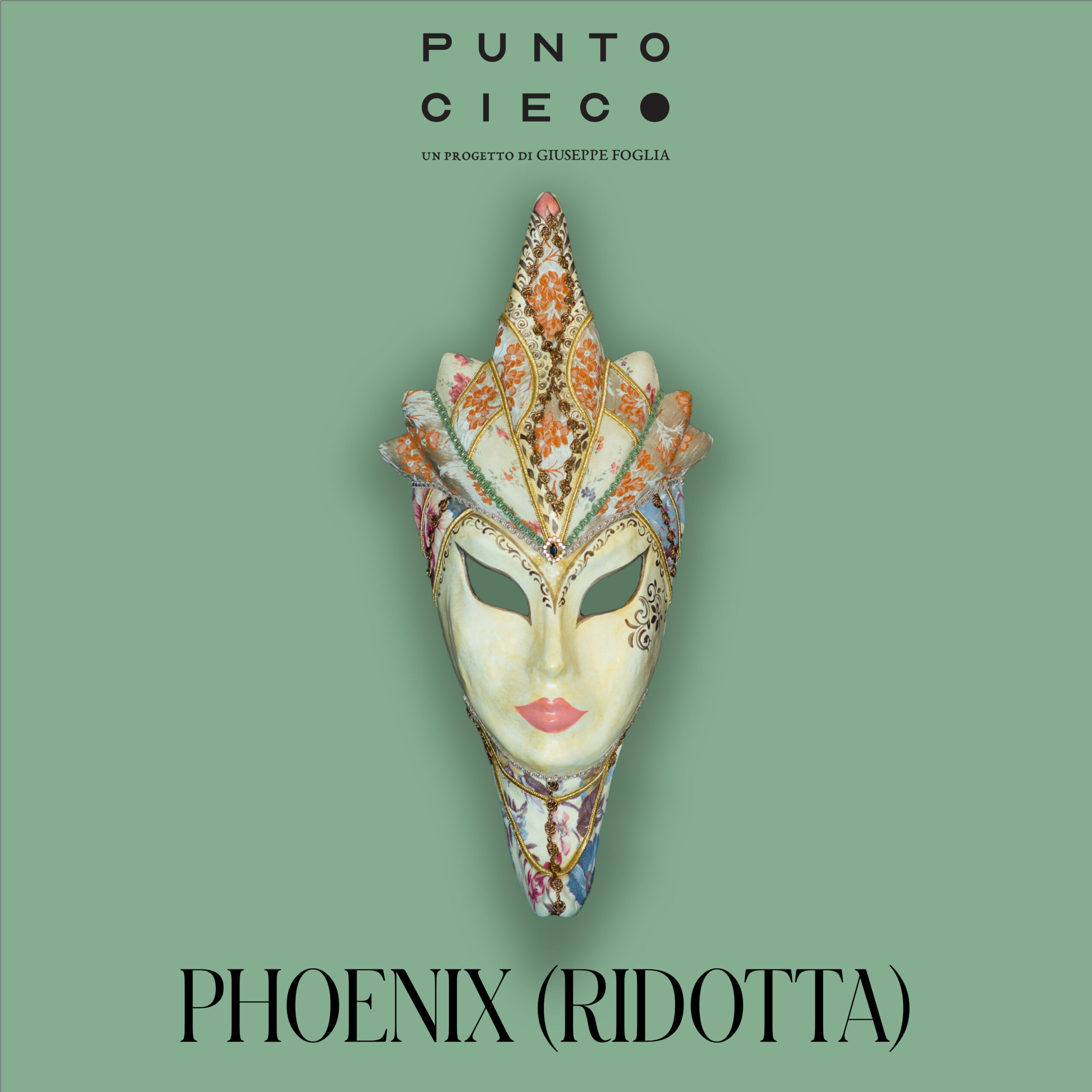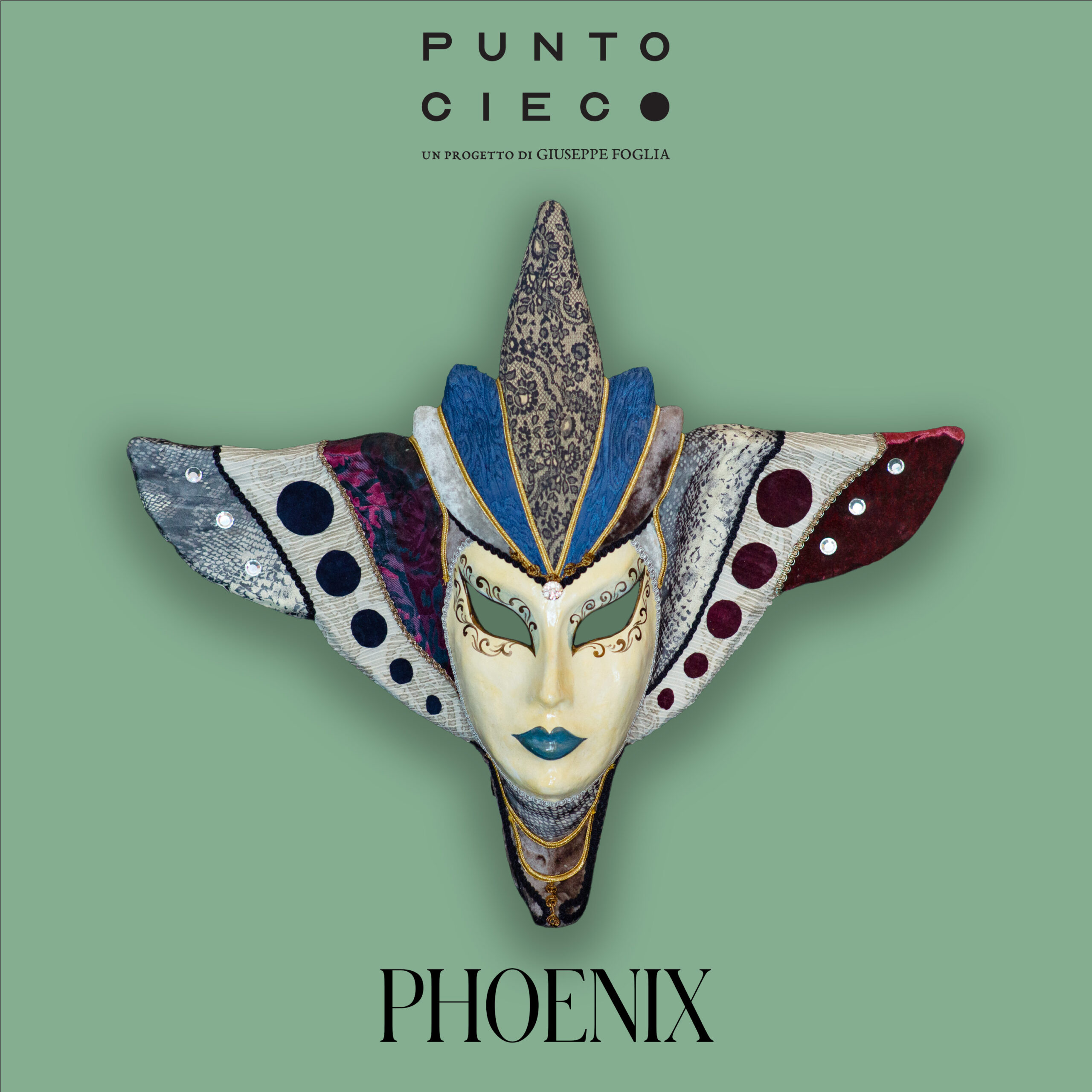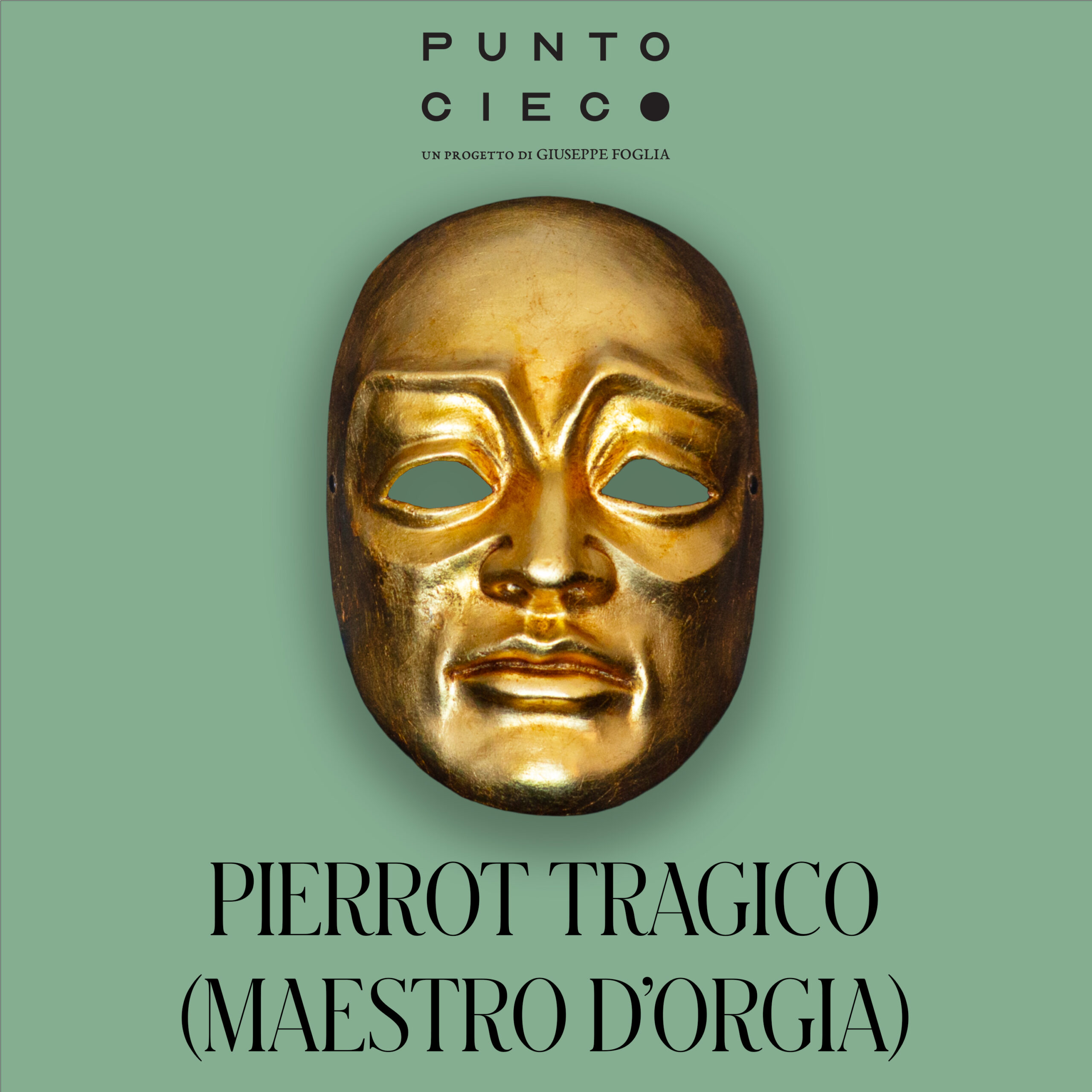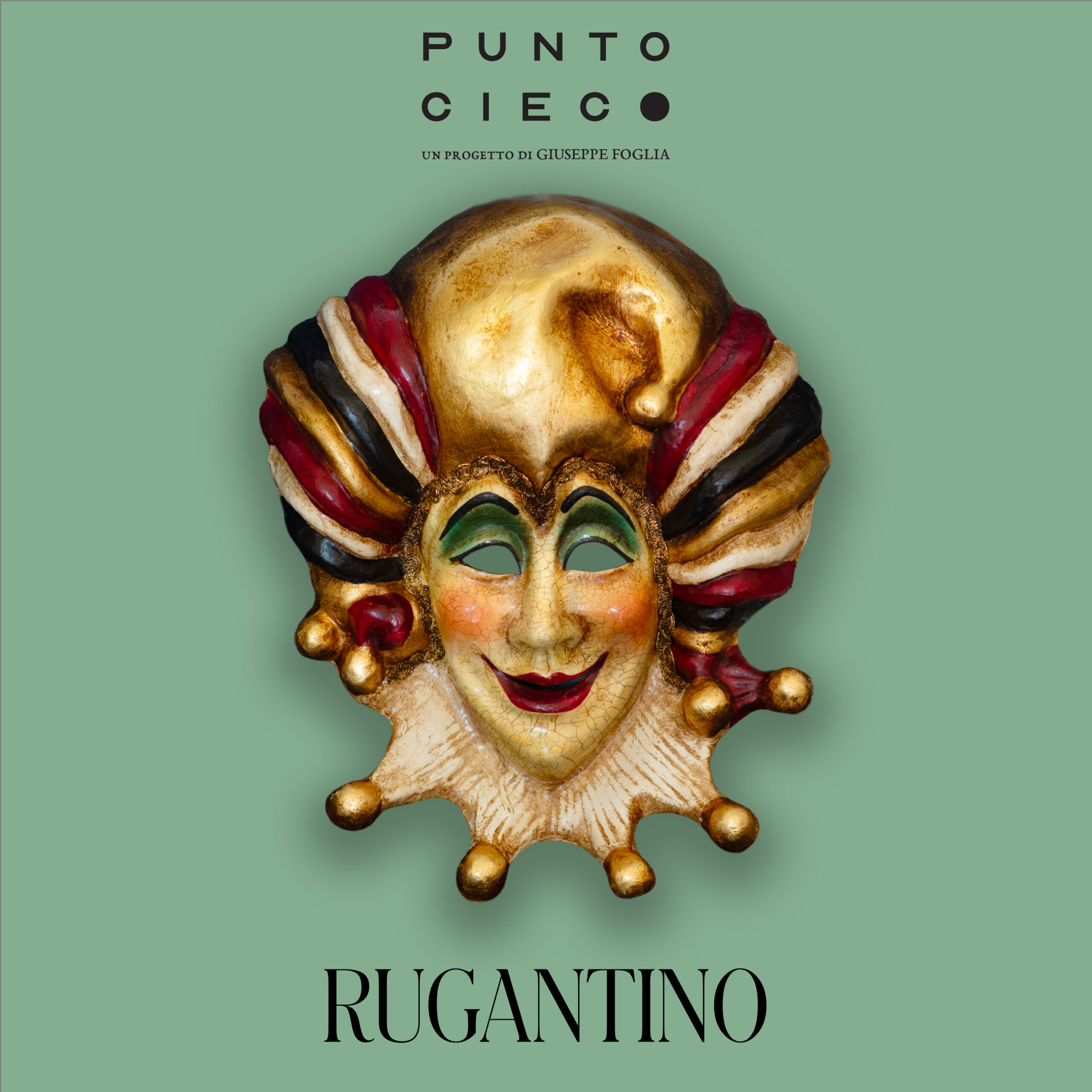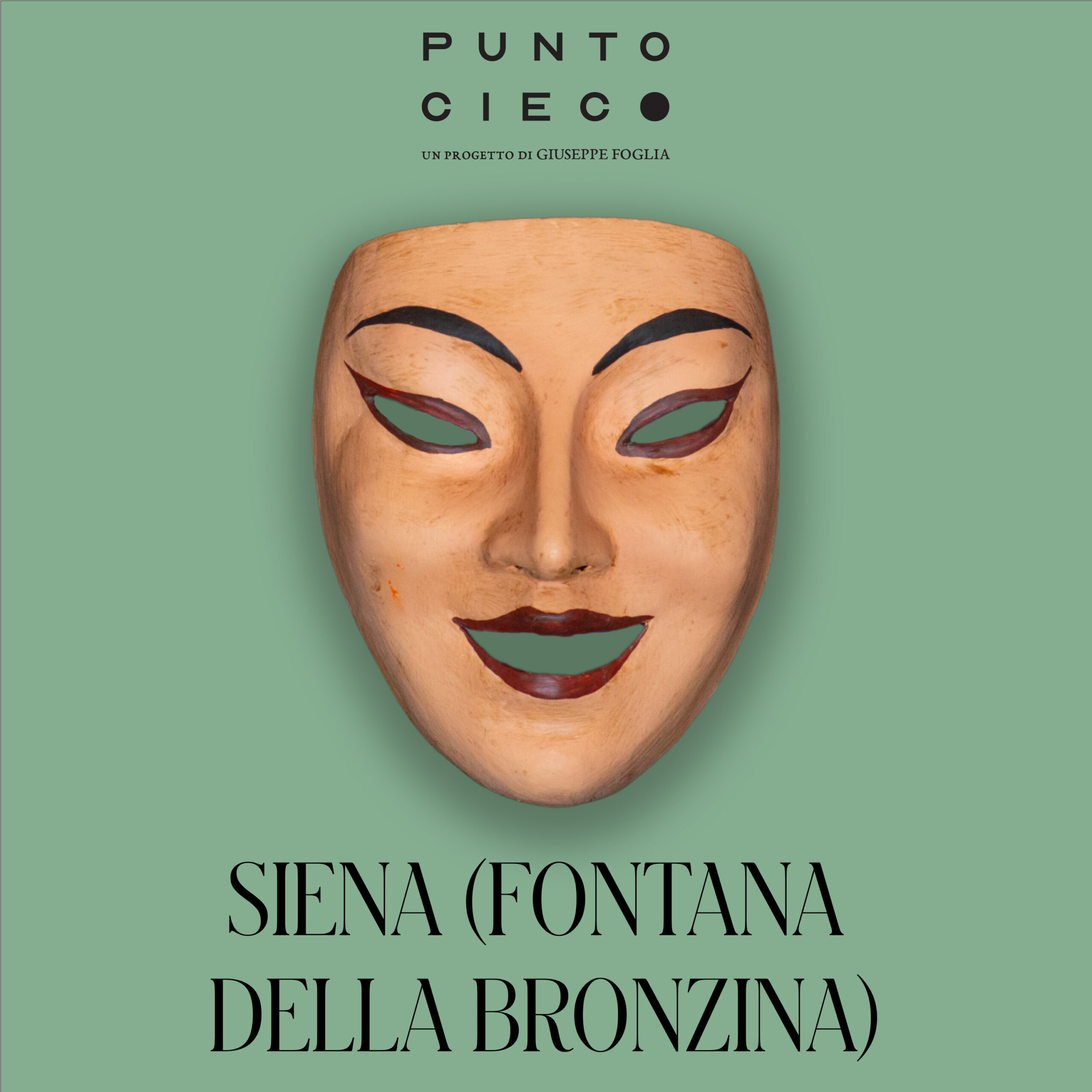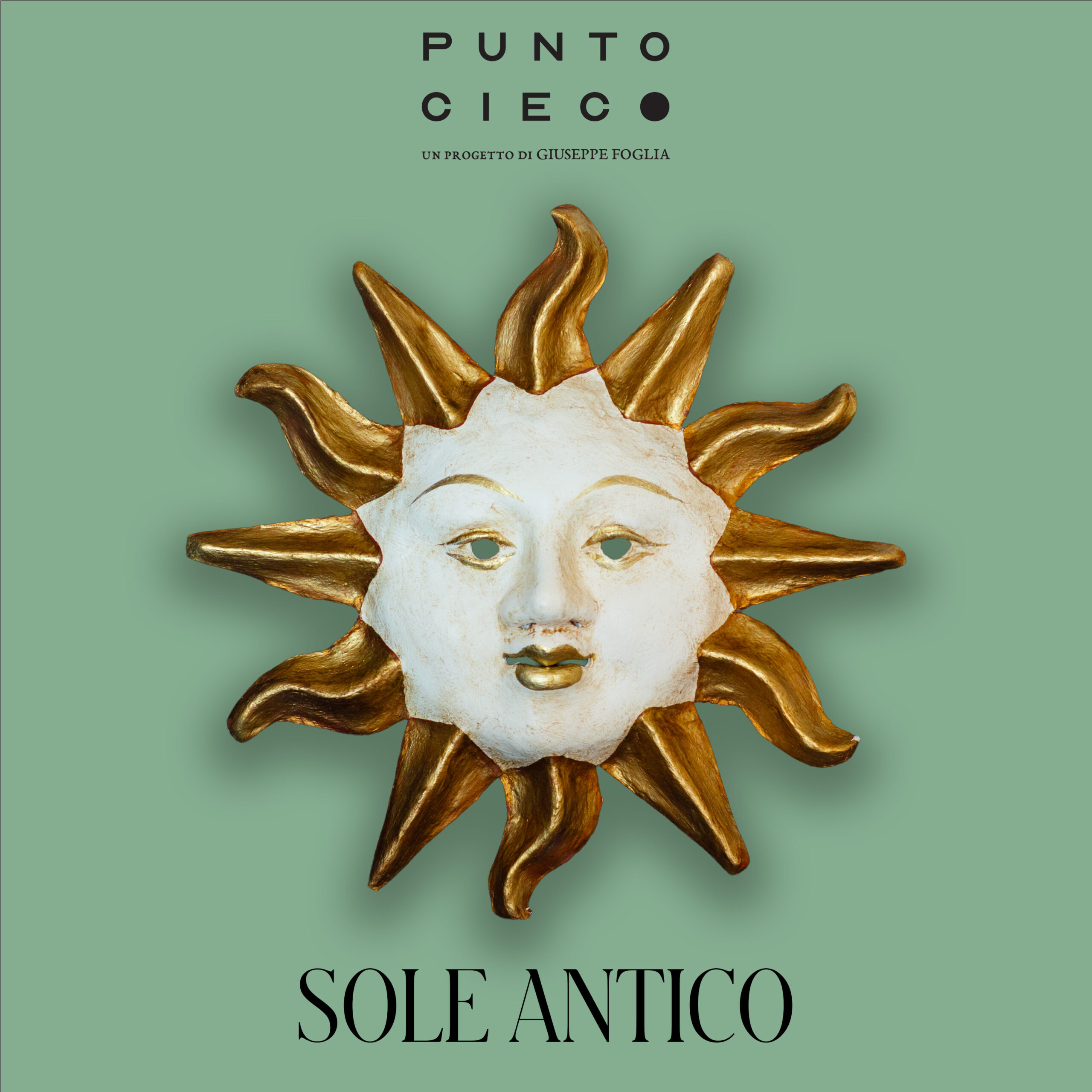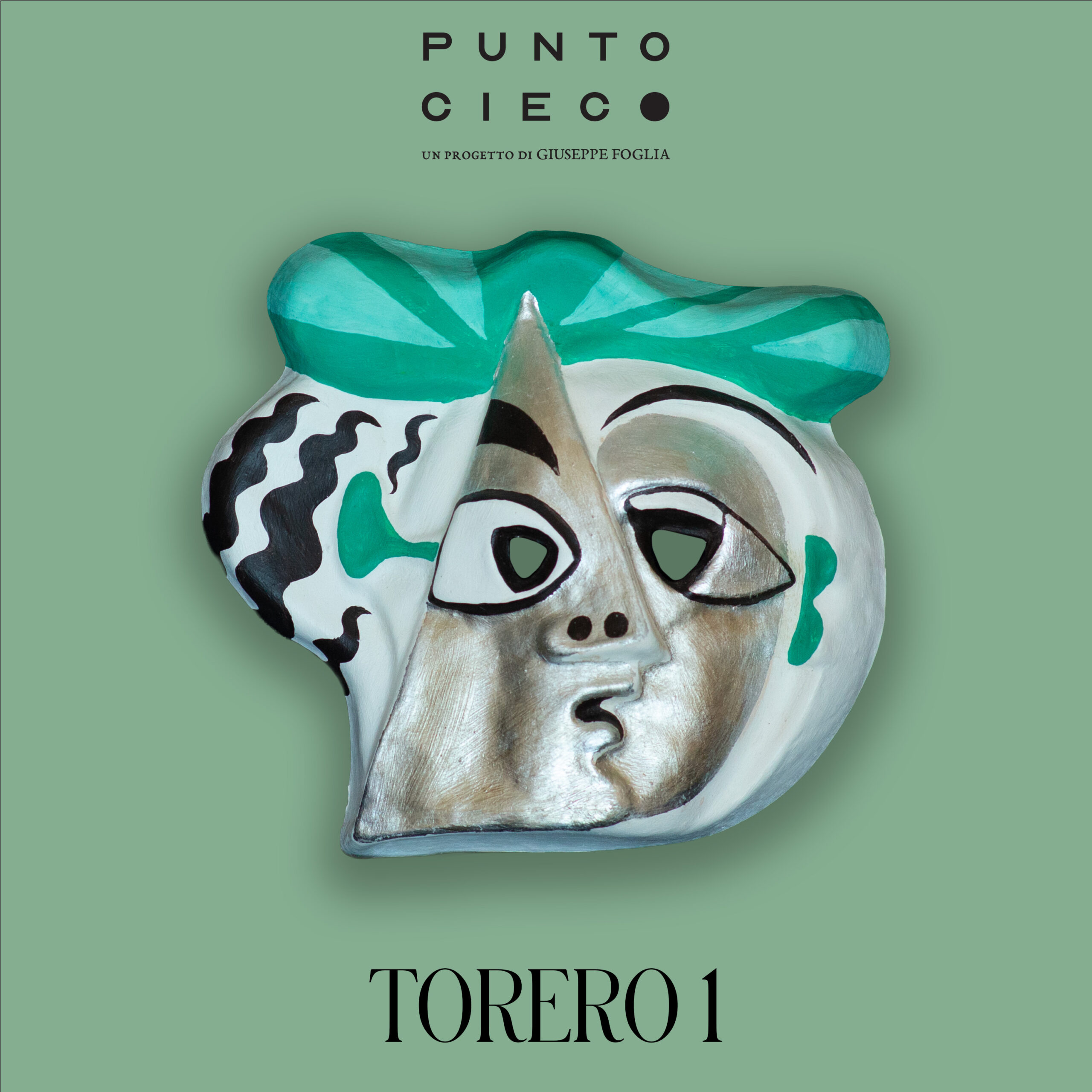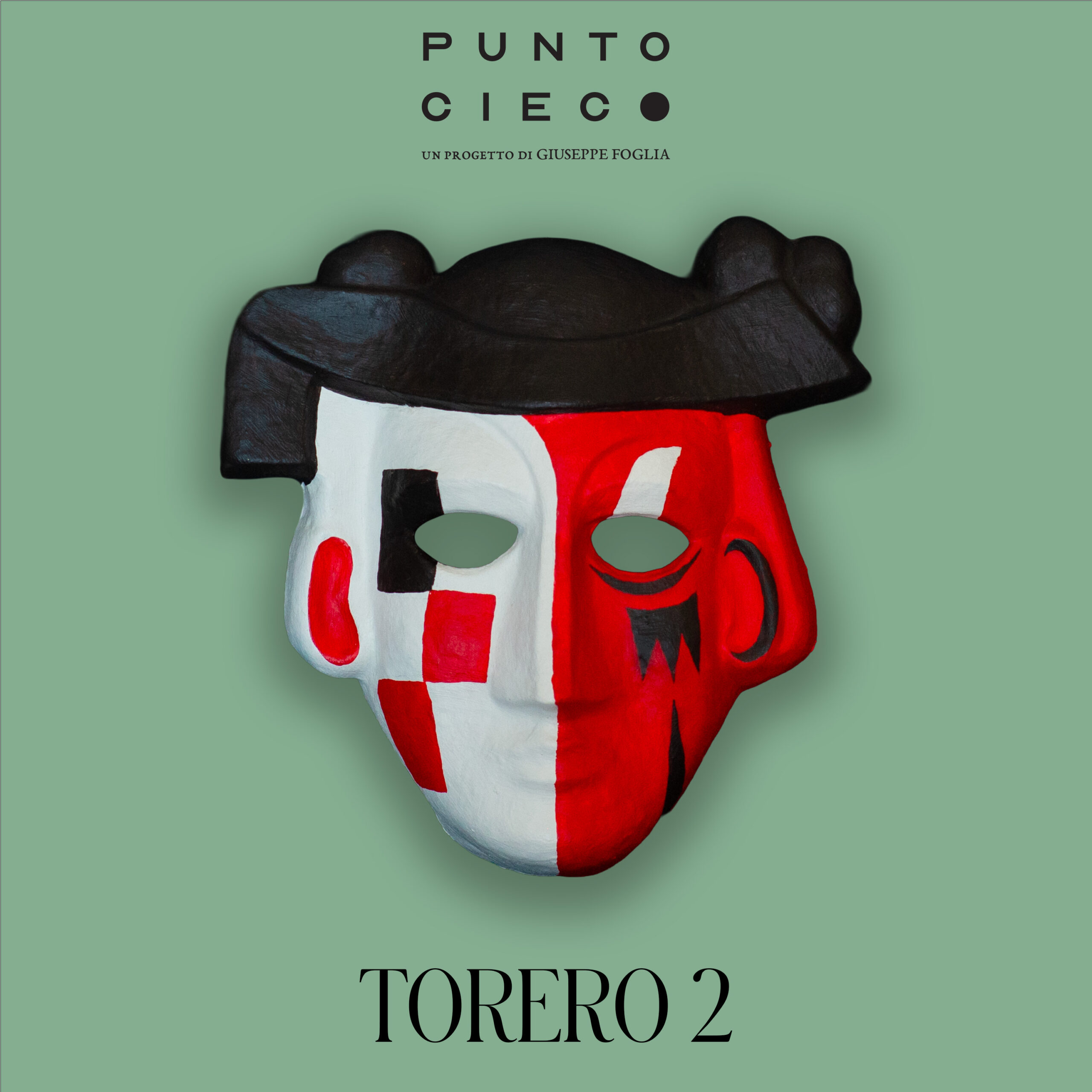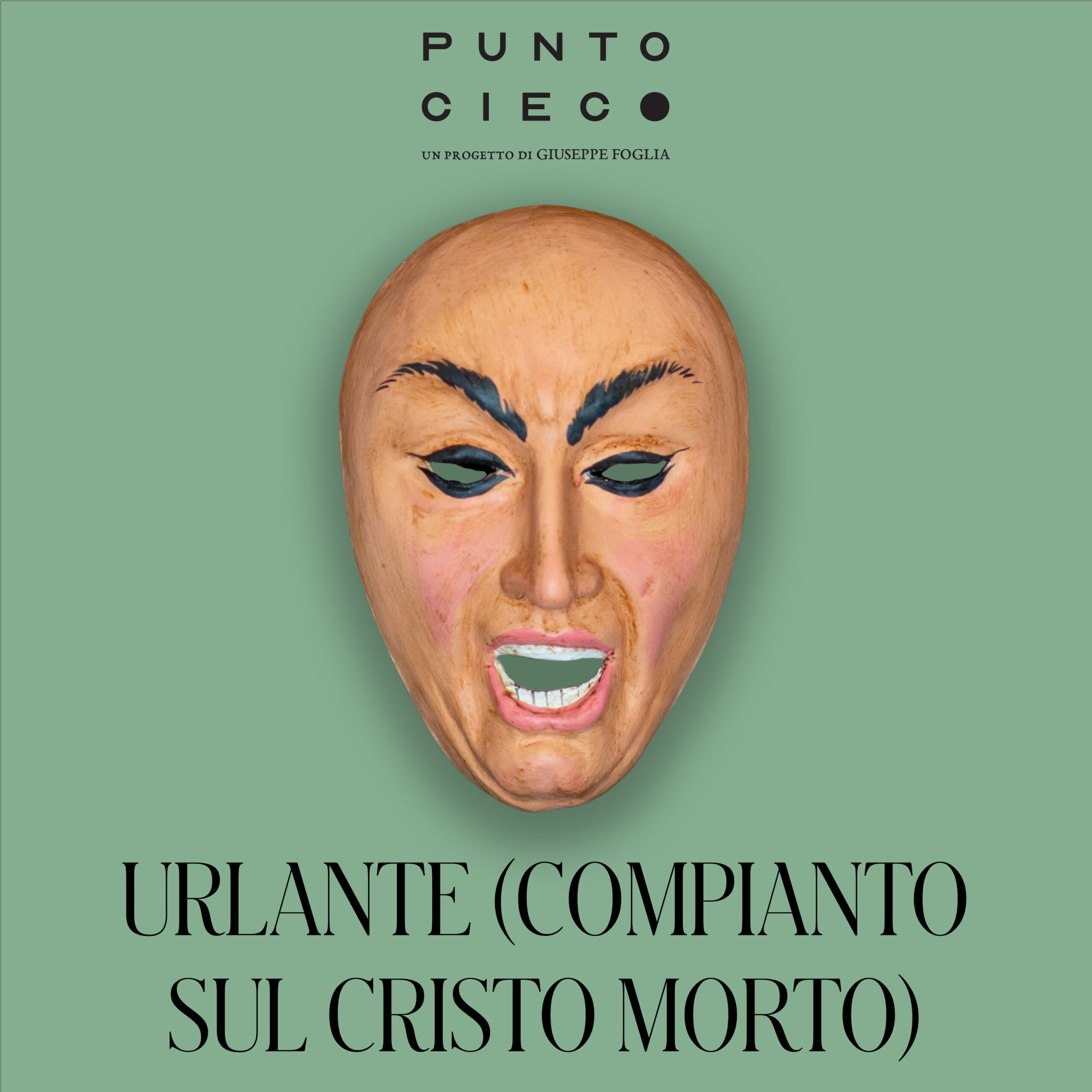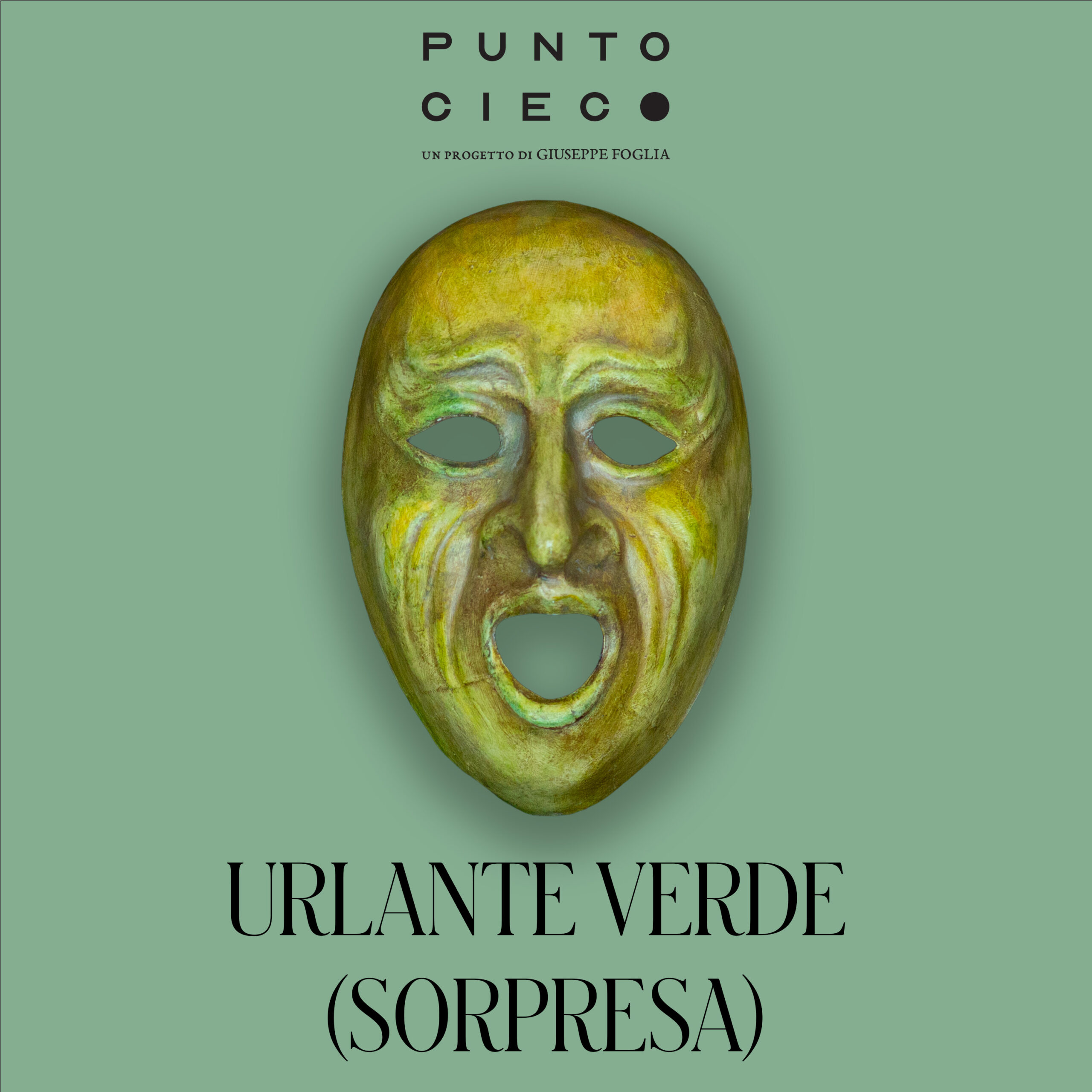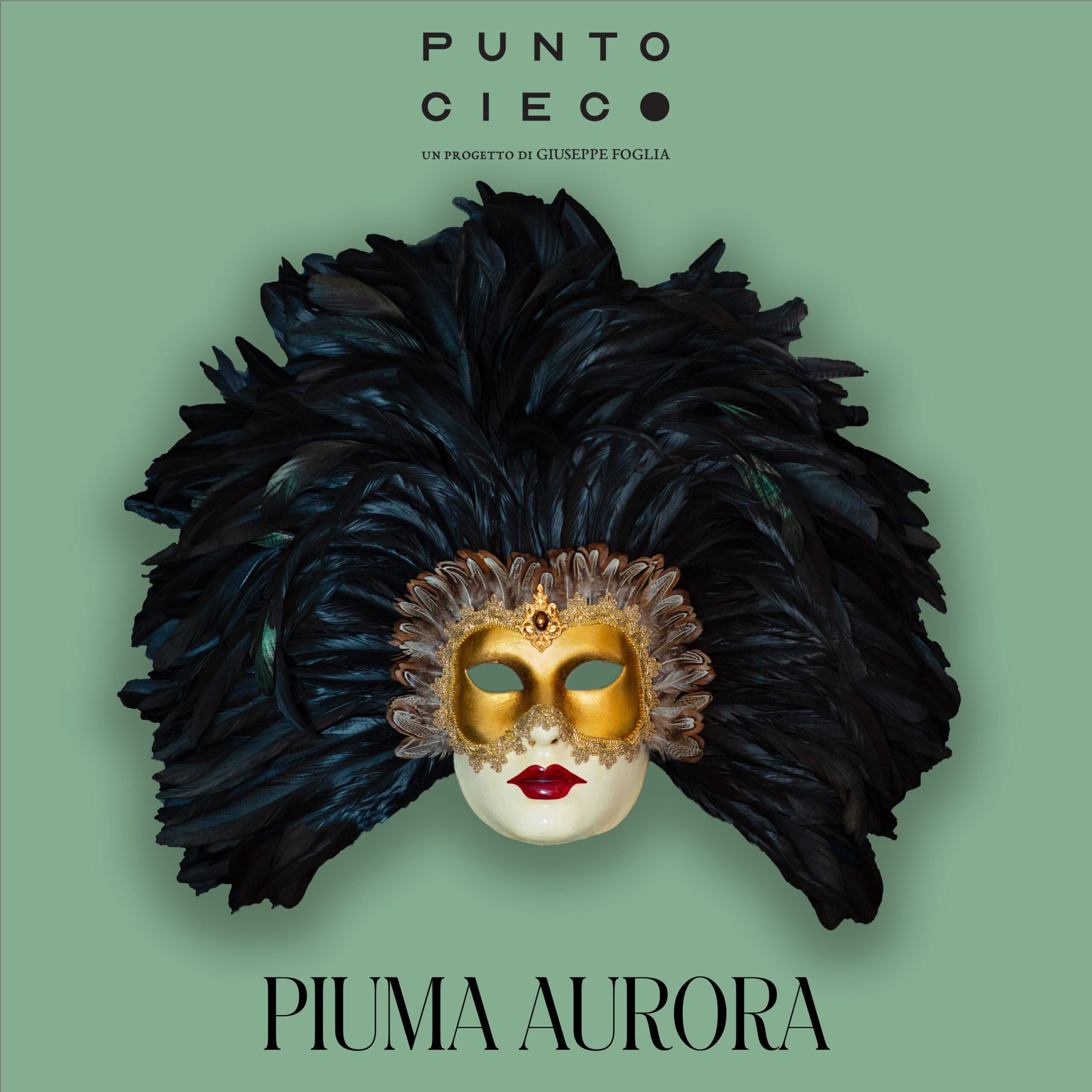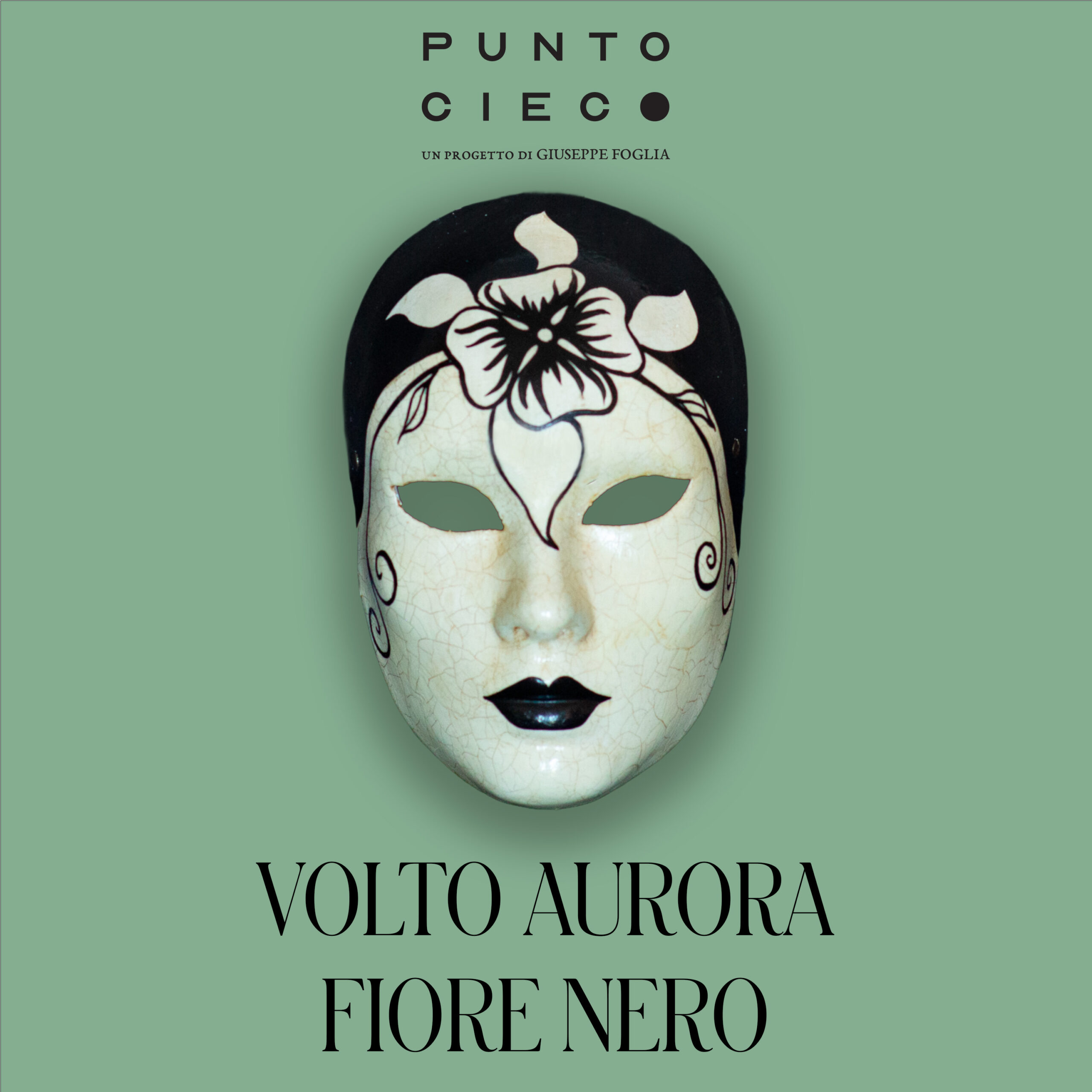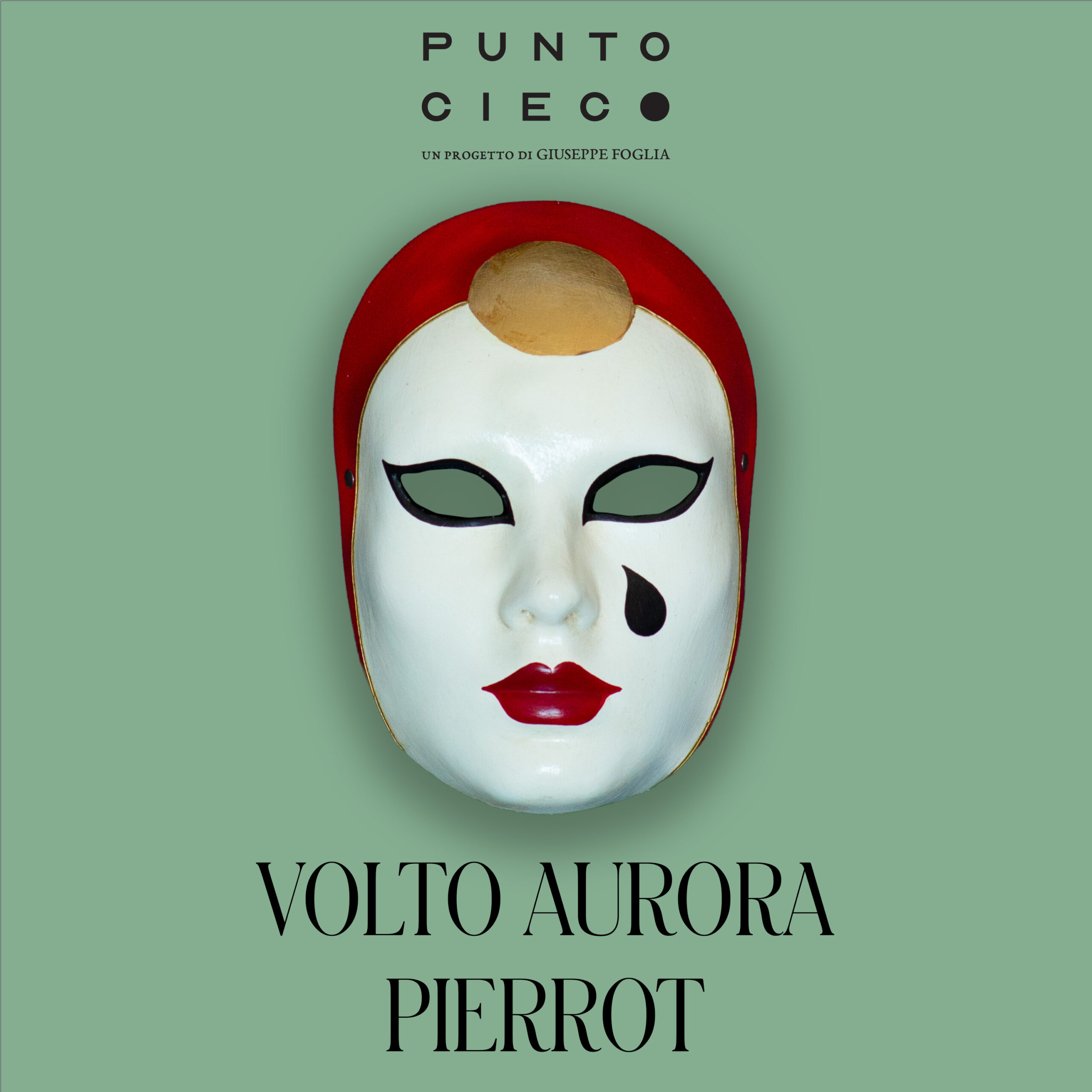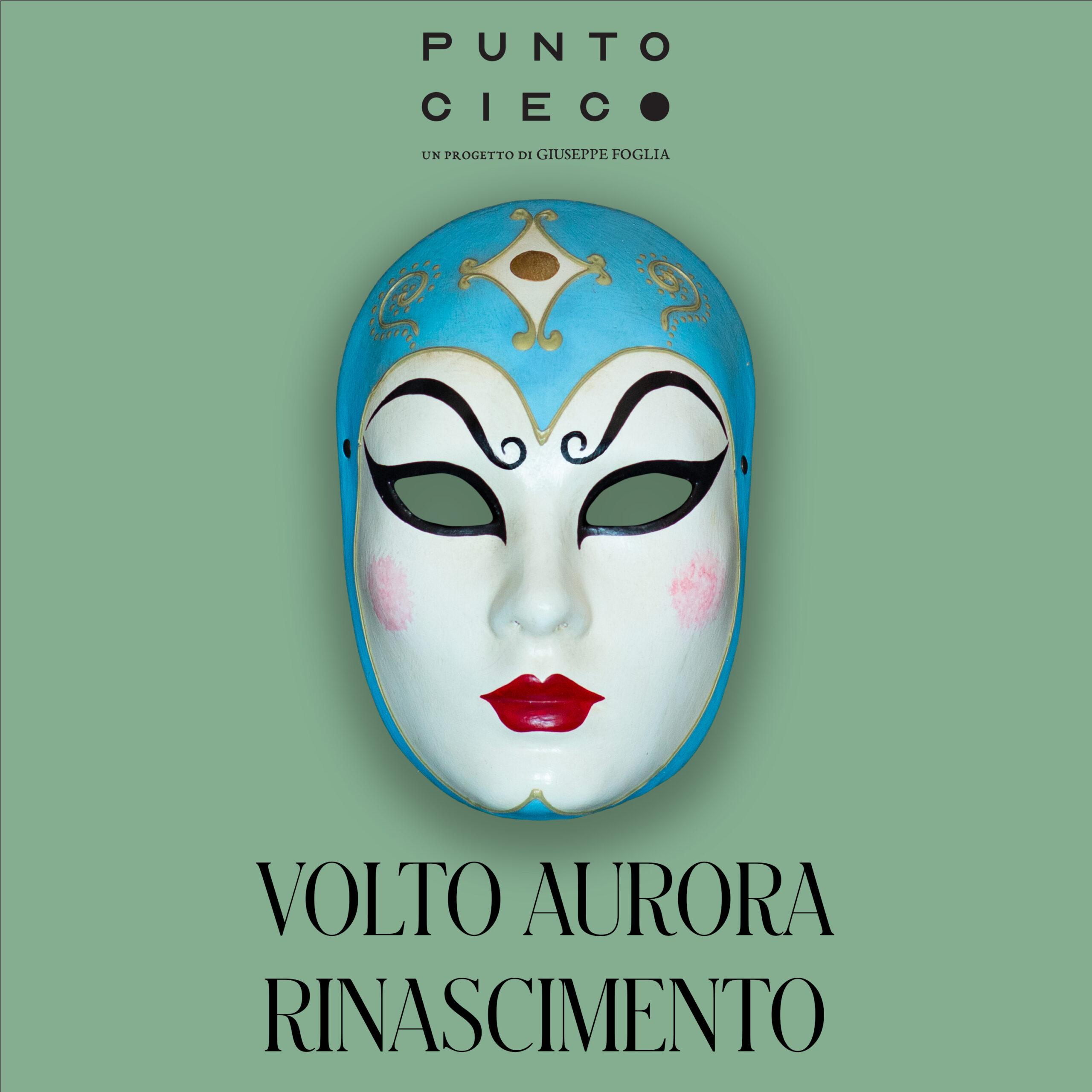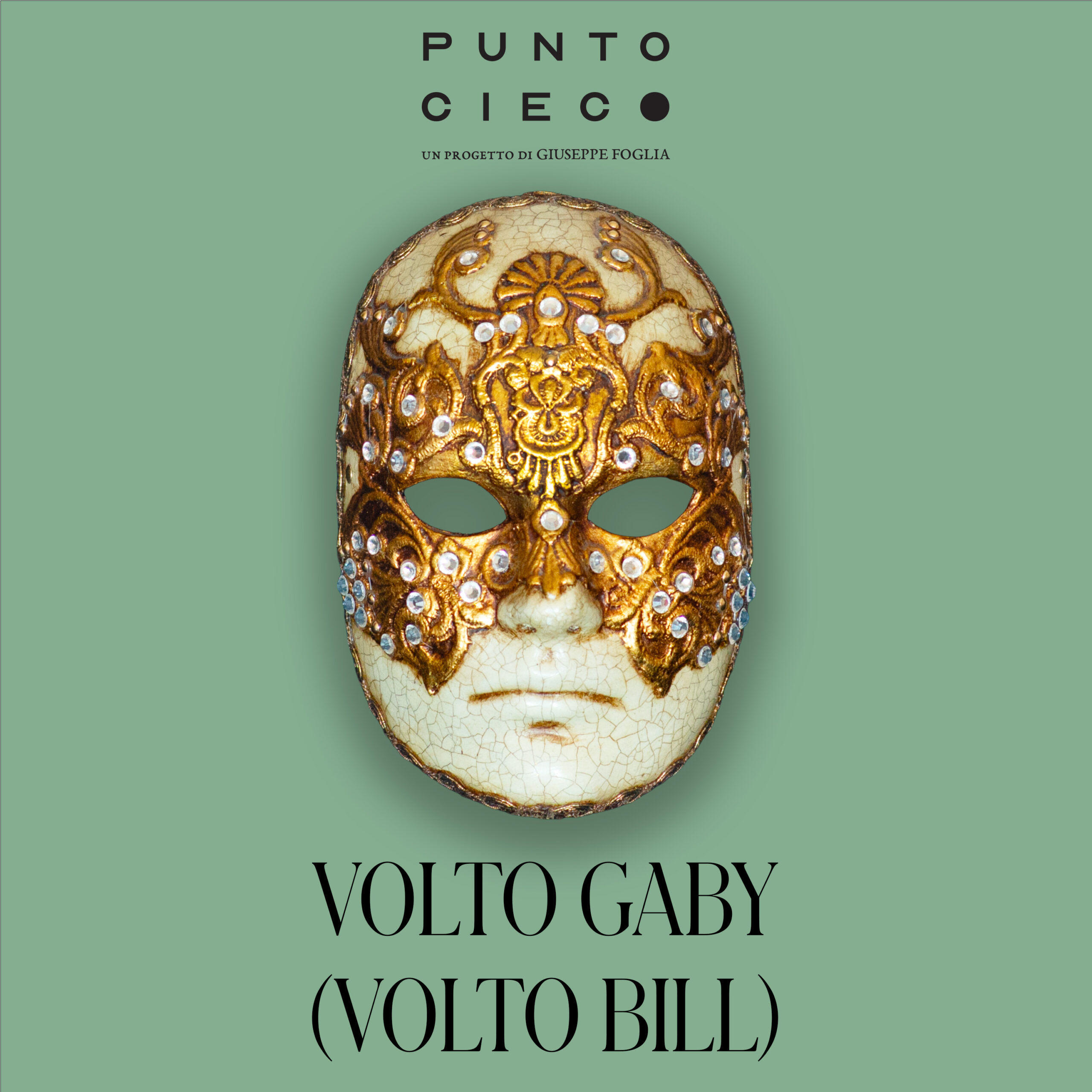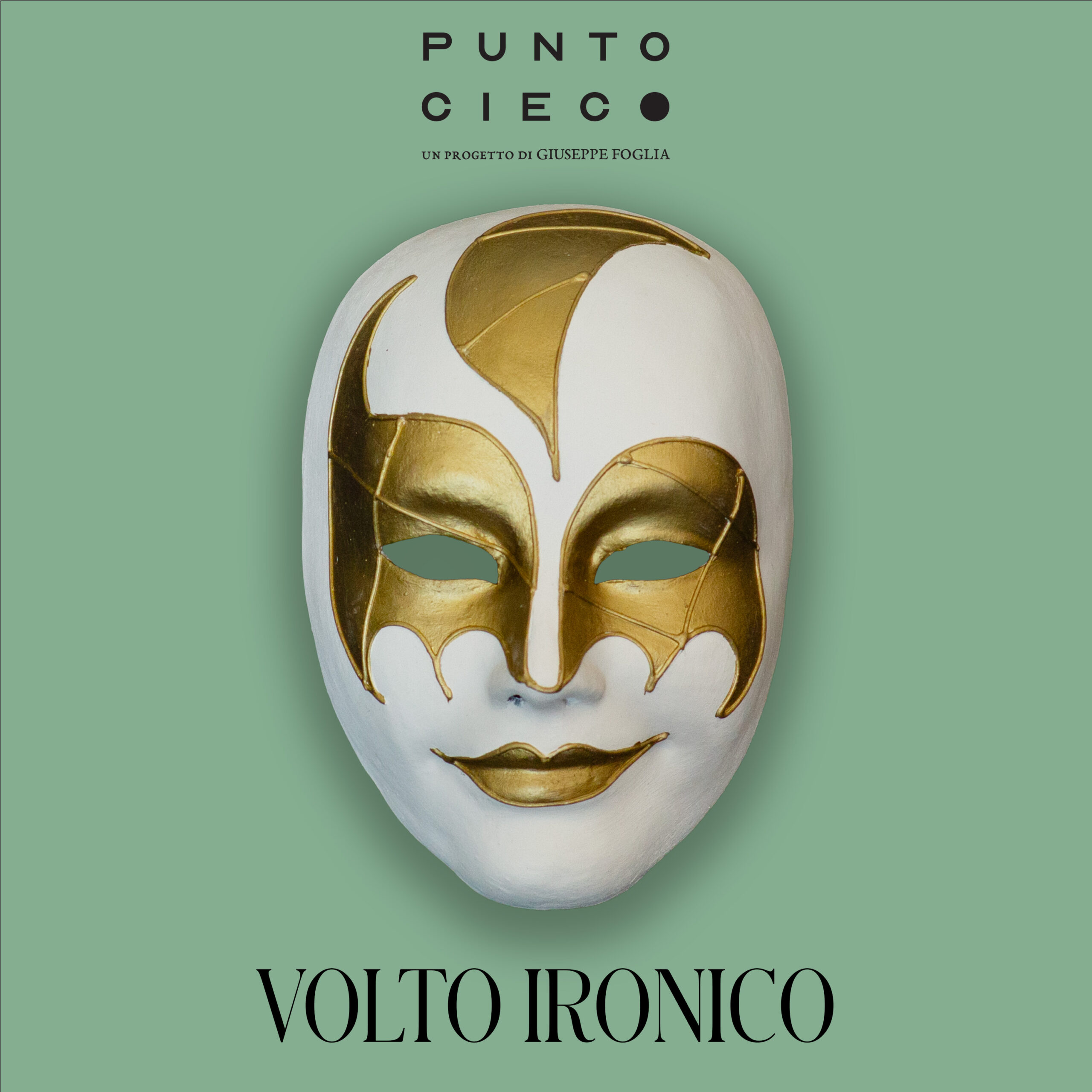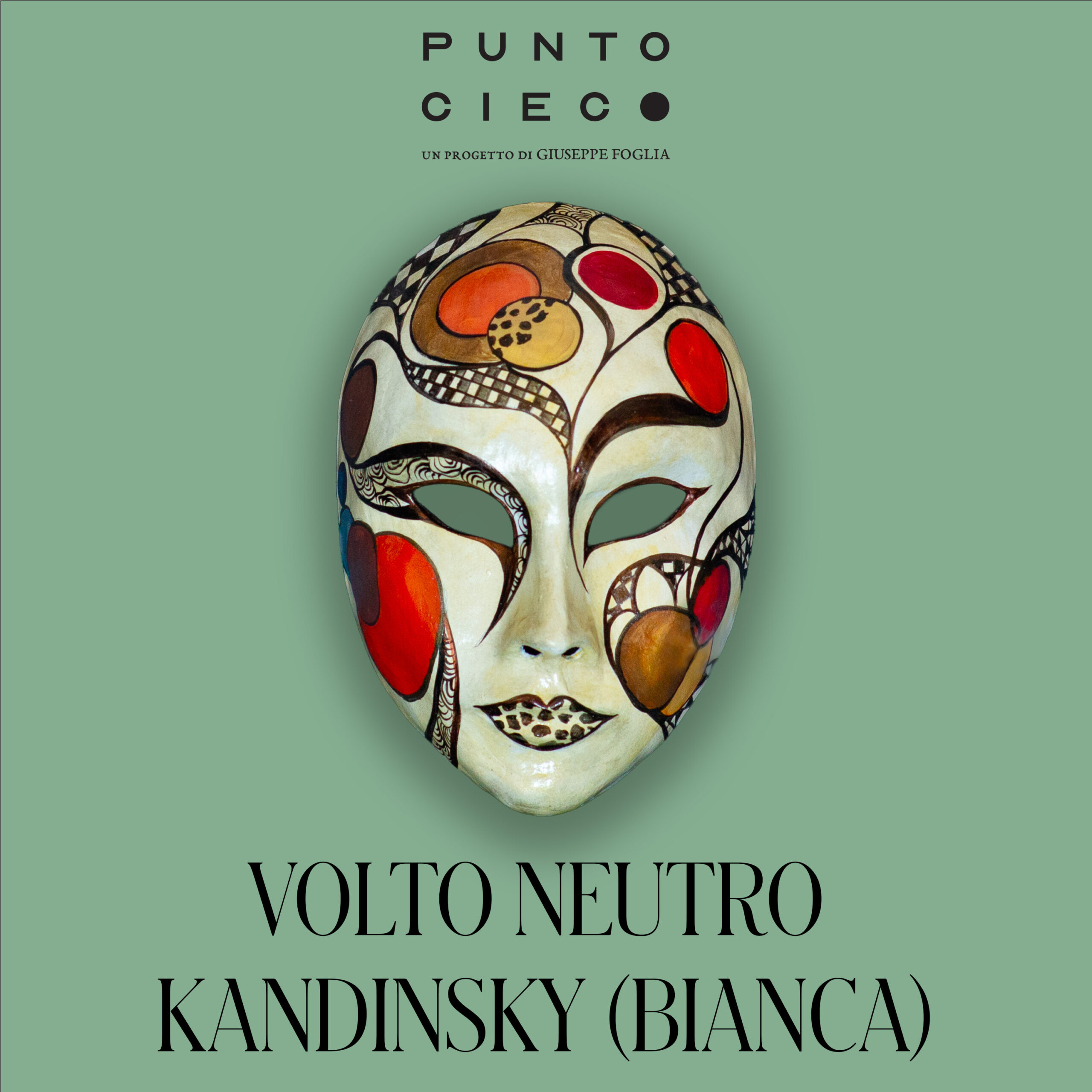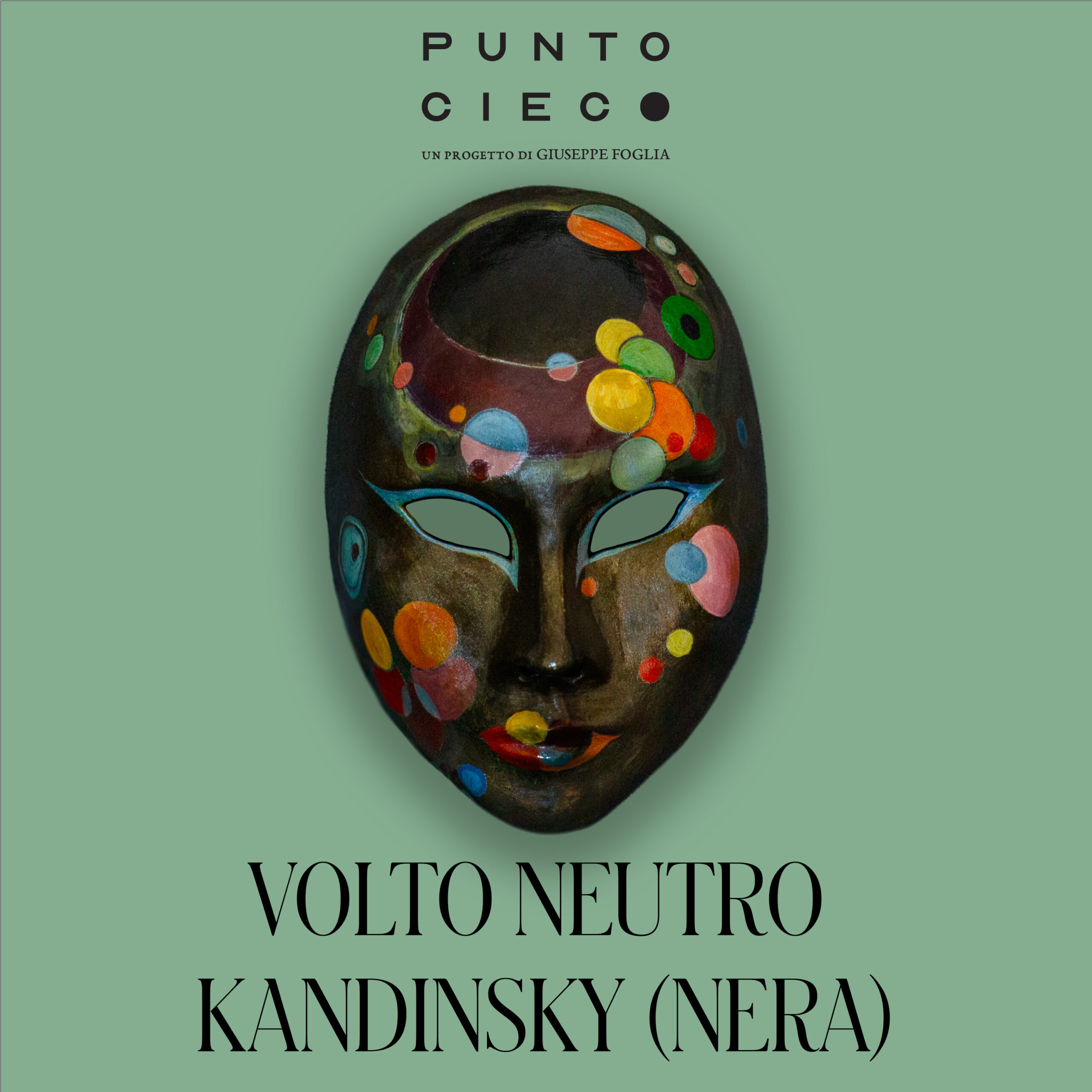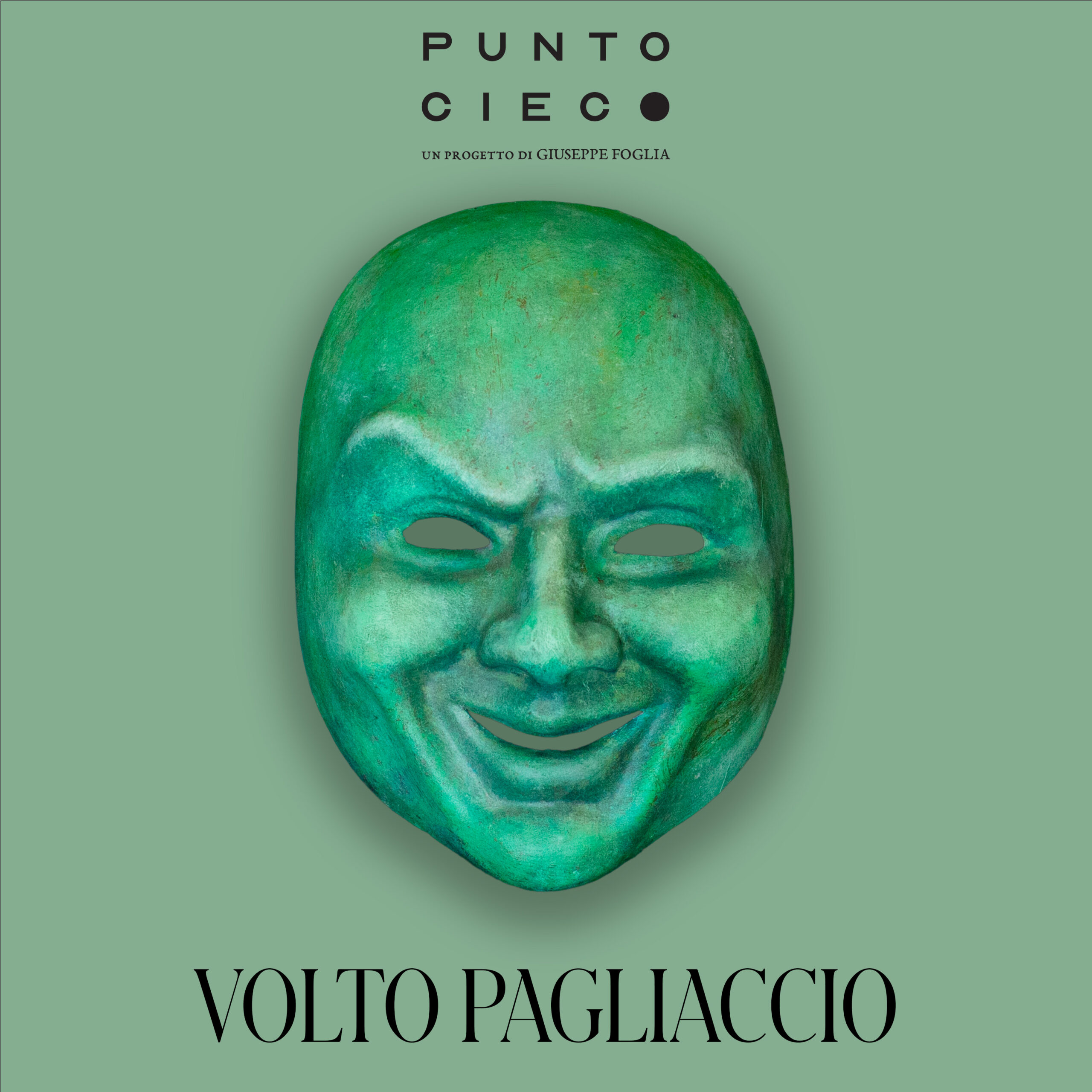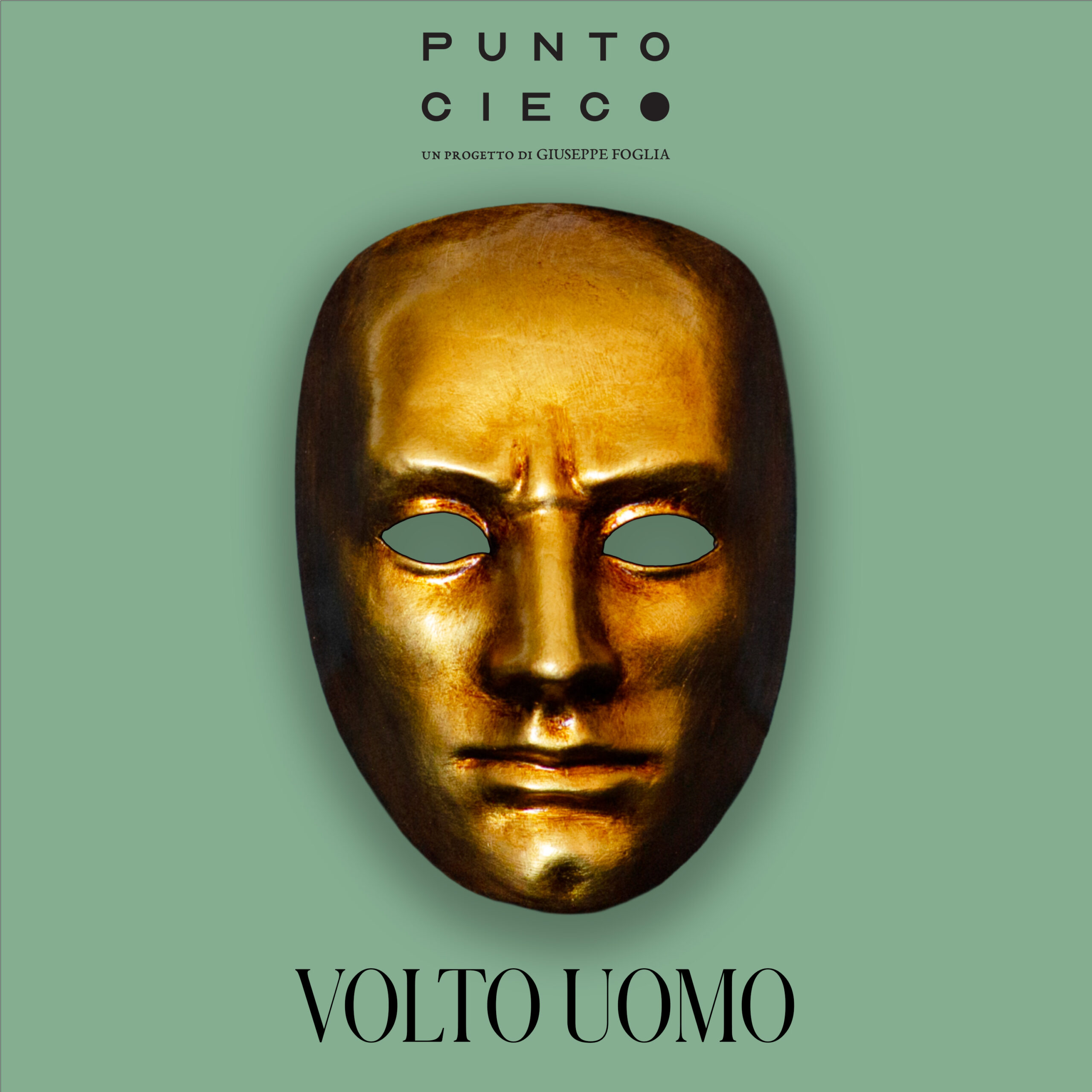
The Venetian Carnival masks featured in the masked ball sequence of Eyes Wide Shut were acquired for the film’s production from various Venetian ateliers between 1996 and 1997. The masks were not new creations; they were based on existing models drawn from the catalogues and collections available in the city’s workshops at the time.
Throughout the nearly thirty years that followed, some of these workshops have ceased their activity, while others have transformed their collections, abandoning vintage models and old decorative styles in favour of new designs.
Thanks to extensive research, which began in 2018 and continues on to this day, all the vintage mask models visible in Eyes Wide Shut were identified, along with the workshops which originally produced them. The same seven artisans who created the original models were commissioned to faithfully recreate replicas, using the original moulds—some of which restored specifically for this project—and employing the same materials and decorative techniques that were used in the 1990s.
This process resulted in forty Venetian masks, identical in every respect to those worn by the actors in Eyes Wide Shut.
By documenting the work of the master mask-makers and gathering their technical and artistic knowledge, Punto Cieco brings to light a largely overlooked aspect not only of the making of Stanley Kubrick’s final film, but also of Venetian craftsmanship and cultural heritage.
As such, the masks of Punto Cieco themselves stand as a tribute to the memory of the city of Venice, a silent protagonist in one of the most unforgettable sequences in the history of cinema.